

THE brıef
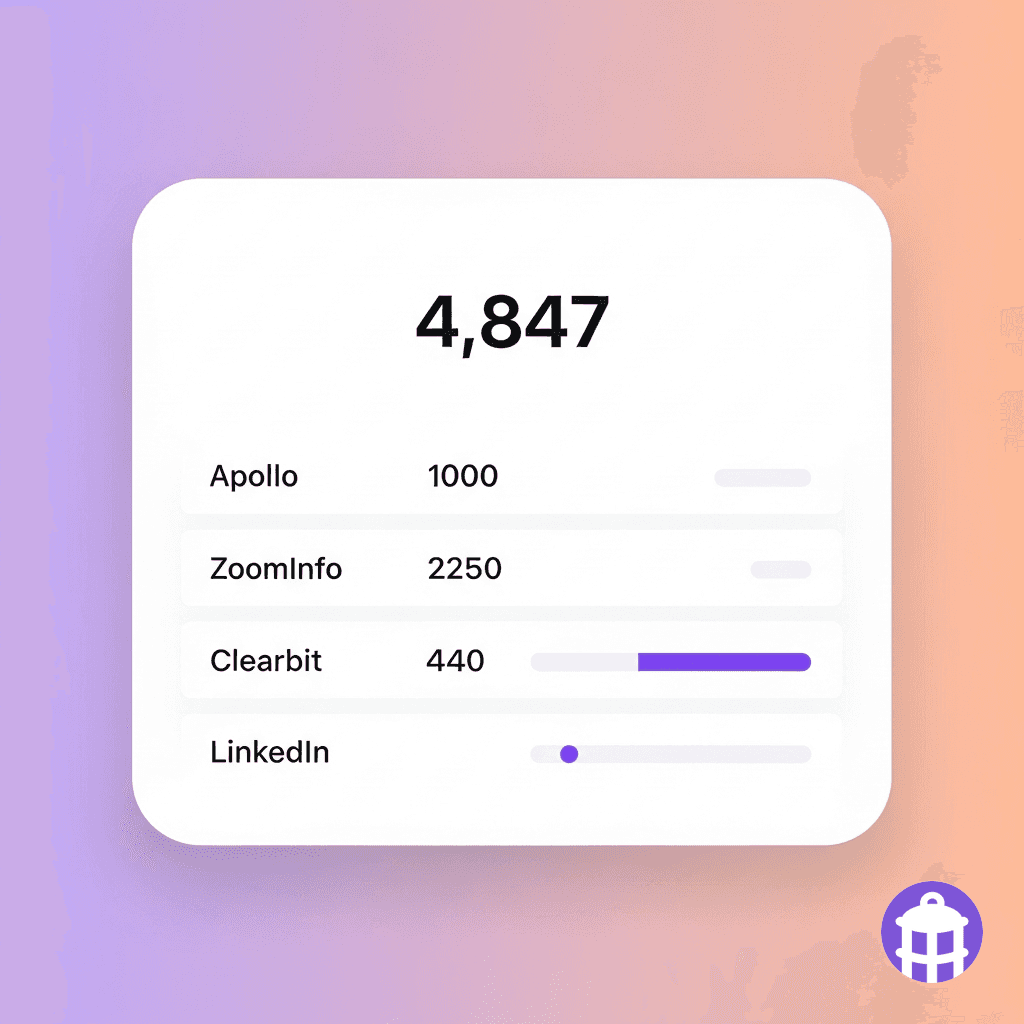
Most revenue teams work from an incomplete picture of their addressable market. They know the accounts in their CRM and a list from Apollo or ZoomInfo — but those lists miss 20–40% of qualified accounts, have data that's 12–18 months out of date, and don't reflect the current state of each company's tech stack, funding, or headcount. The agent builds a complete TAM from scratch, verified across multiple sources, enriched with live signals, and ready to drive territory planning, ABM, and outreach prioritization.

Today
TAM is defined by what's in the CRM and one or two list providers — missing 20–40% of qualified accounts.
Firmographic data is 12–18 months stale by the time it's used for territory planning or ABM campaign setup.
TAM is a quarterly spreadsheet export — outdated the day after it's pulled, and requiring manual cleanup before any outreach.

With ABM Strategist
150+ providers are queried in waterfall sequence to build a complete, verified TAM with minimal overlap and no gaps.
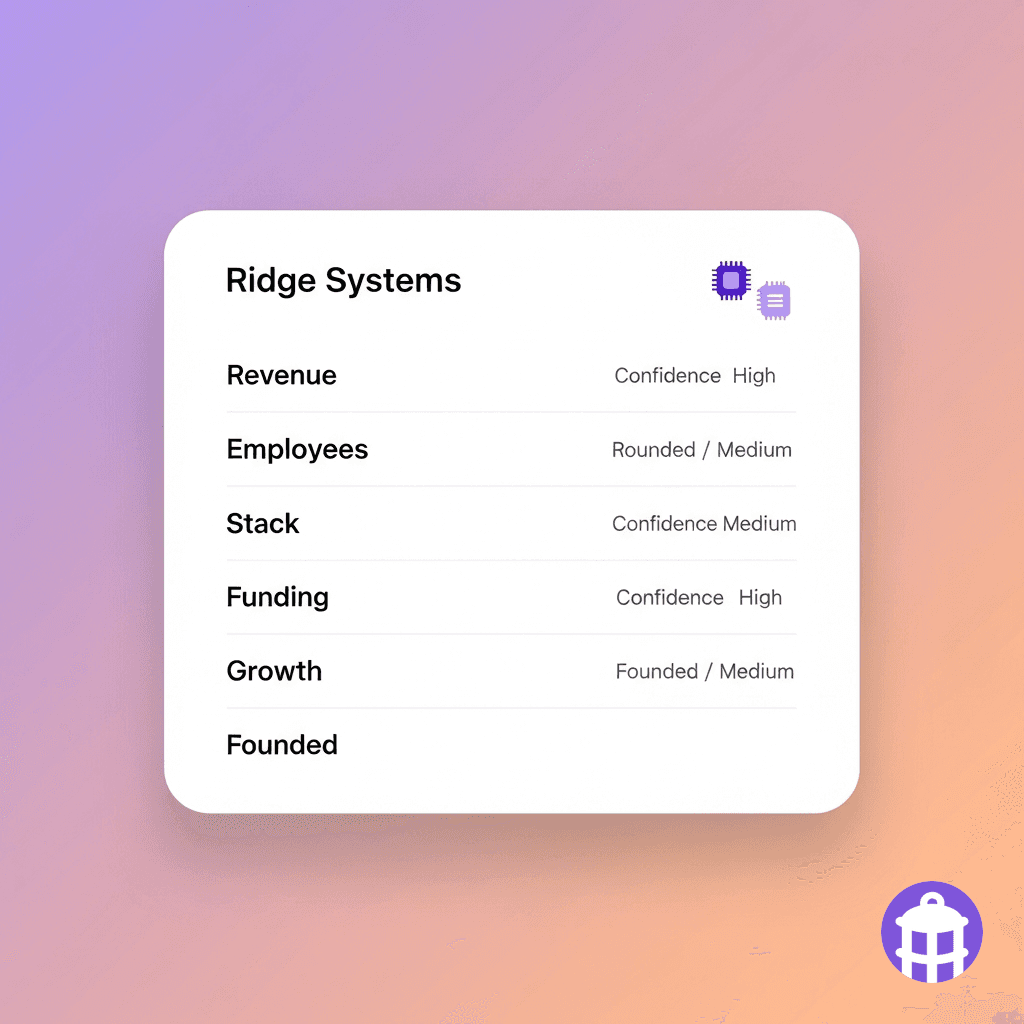
Every account in the TAM is enriched from recently verified sources, with data recency and confidence visible at the field level.
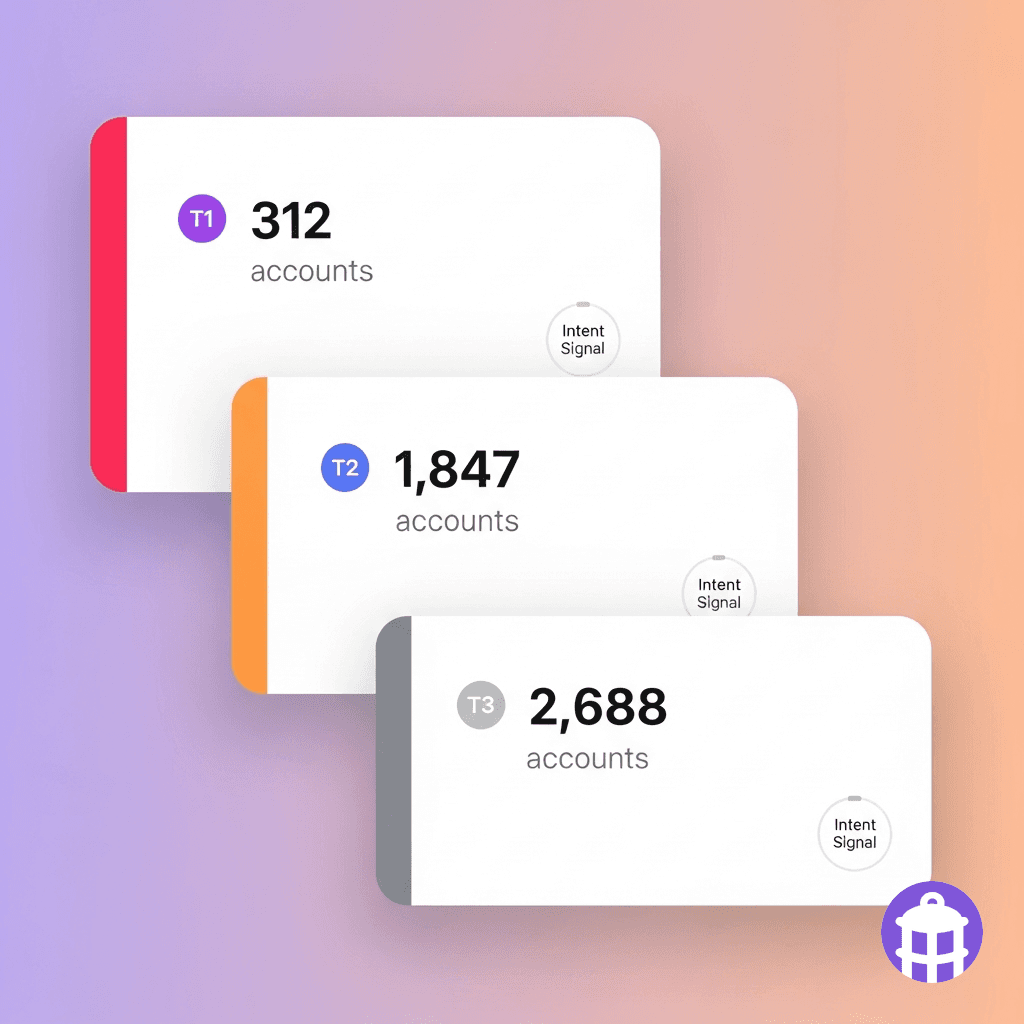
The TAM is a live, CRM-synced dataset maintained continuously — new matches added, dormant accounts flagged automatically.
Data Waterfall
150+ enrichment providers. Sequential routing optimized per segment. The best answer wins. No vendor lock-in.

Agent Engine
Open-source execution engine. Workflows defined in code. Human-in-the-loop checkpoints. Full audit trail on every action.

Revenue Ontology
Every data source normalized into one model. Entity resolution across systems. Relationships stored, not inferred. Schema that evolves with your business.
How is this different from just buying a list from Apollo or ZoomInfo?
How long does it take to build an initial TAM?
What happens to accounts that don't match our ICP anymore — acquisitions, pivots, etc.?
Can we start with our existing CRM data and fill in the gaps?